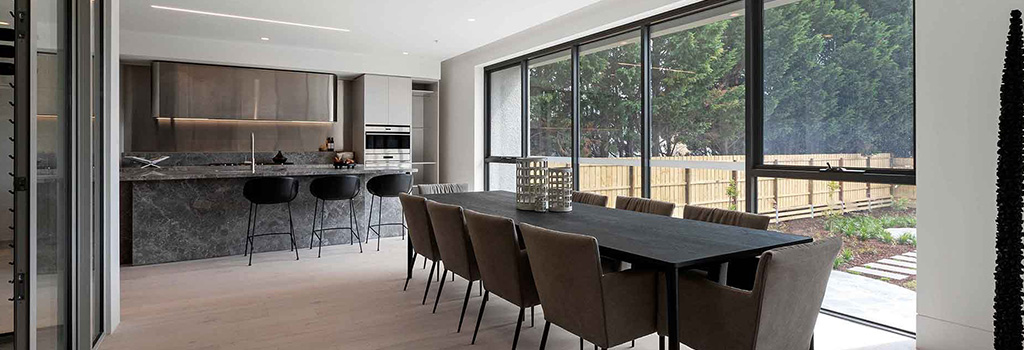
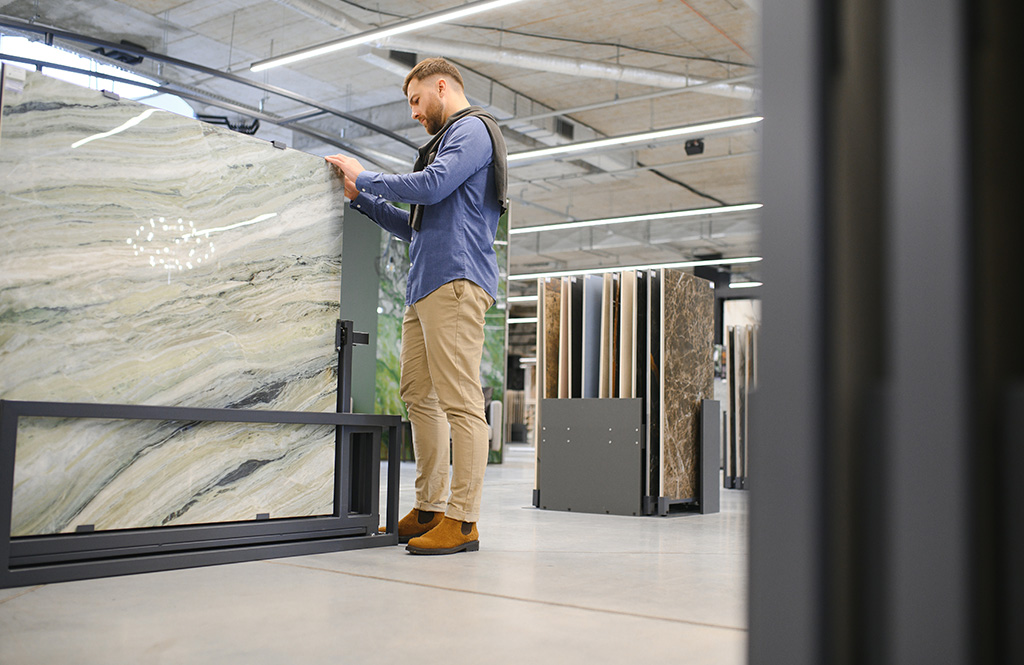
Among material used for building construction, natural stones are one of the most durable and highly resistant. Beyond that, natural stones also provide unique texture and unrepeatable beauty, lending a sense of luxury to high-end projects.
However, finding and matching the right product can be frustrating sometimes as the natural stones product are supplied in a huge range of materials, colors, patterns, textures and sizes.
To make the right choice, designers, architects and landscapers need a comprehensive information to ensure it meets aesthetic, functional, budget, and long-term performance requirements.
Whether you’re specifying a renovation project or designing a dream space from scratch, this complete guide will be a great source.
Matching Stone to Application: Functional & Aesthetic Choices for Your Project
Unlike the artificial stone, every natural stone has inherent characteristic comes from mother nature. Beside on, stone processing alters and enhances some special characteristic which is crucial for a successful stonework. For example, a block of travertine can be cut through the vein, vein-cut (for a linear pattern) or cross to vein cross-cut (for a cloud-like pattern), resulting two different materials with the vastly different look and texture.
Finishes also hugely affect the texture and physical features. For example, from polished to honed or sandblasted, the color tends to get lighter and the veins disappearing to offer a more uniform surface.
Key Considerations: What Every Designer & Architect Must Know About Natural Stone
Here’s what you need to know:
I. Aesthetic & Design Considerations:
1-Material Characteristics:
Natural stones are categorised in geological classification including marble, granite, limestone, travertine, slate, quartzite, sandstone, onyx, andesite, and basalt. The geological classification reflects the origin, composition, maturity and physical aspect like density, porosity and transparency of natural stone products. Understanding these material features is the first step in matching stone to application—be it for interiors, exteriors, walls, or floors.
- Marble: A metamorphic rock prized for its elegant veining, ideal for interior applications like countertops, flooring, and wall cladding.
- Limestone: A versatile sedimentary rock with a wide range of colours, used in construction, landscaping, and decorative elements.
- Travertine: A type of limestone known for its porous surface and unique patterns, used in both indoor and outdoor applications.
- Granite: A durable and hard igneous rock, commonly used for countertops, flooring, and exterior cladding.
- Sandstone: A sedimentary rock composed of sand grains, used for building facades, paving, and landscaping.
- Quartzite: A very hard and durable metamorphic rock, perfect for high-traffic areas and outdoor applications.
- Slate: A fine-grained metamorphic rock known for its durability and water resistance, often used for roofing, flooring, and wall cladding.
- Basalt: A strong and weather-resistant volcanic rock, used in construction and landscaping.
- Onyx: A translucent variety of chalcedony, prized for decorative purposes like feature countertops, backsplashes, and fireplace surrounds.
- Bluestone: A type of sandstone with a distinct blue-grey colour, commonly used for paving and landscaping.
2-Color & Veining/Patterning:
natural stone products are varied in consistency of color and pattern. some like limestones and sandstone are relatively uniform, but some have a significant variation.
While this natural variation is normal and a great advantage, it can also be challenge. Sometimes, A particular stone product can differ from batch to batch. Requesting for photos or samples of current batch is crucial to ensure it match with your project’s vision.
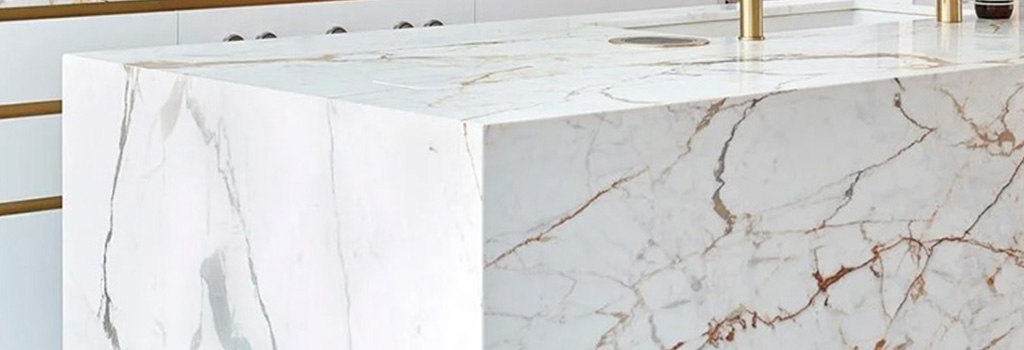
Nature of veining can be cloud-like, linear, minimal or bold. Normally, the minimal and cloud -like are preferred as the bold and linear vein pattern make the job so busy.
Fortunately, the natural stone color is sufficiently wide enough to match any other construction or landscaping materials and easily complement your architectural style. While white, grey, and beige are popular, exotic colours are prized for their stunning visual qualities.
3-Finish Options & Their Impact:
The way a product surface treated hugely impact on stone features—stone’s color, texture, pattern, perceived depth, and maintenance.
Particularly for travertine, the products are supplied in vein-cut with linear pattern and cross-cut with cloud like pattern.
For travertine, products can be supplied unfilled (with natural pits and fissures) or resin-filled. The resin-filled travertines need less maintenance and are more suitable for moisture prone area. Travertine tiles can be filled by transparent resin to keep the elegance of holes.
The processing also can affect the Primary color range and pattern. Polished finishes show darker colour and reflect more vein and pattern. While a product honed it turn lighter with less pattern. The sandblasted and bush hammered texture is the lightest version and disappear large portion of vein and hues.
Here are some well-known stone finishes;
- Polished: High-gloss, reflective surface that enhances colour and veining. Best for interiors, can be slippery when wet.
- Honed: Smooth, matte finish that is less slippery. Hides scratches but can show smudges.
- Leathered/Brushed: A textured, soft sheen that offers good grip and hides fingerprints well.
- Sandblasted: A finely textured, matte surface with good slip resistance.
- Flamed: A rough, highly textured surface created by intense heat, offering excellent slip resistance for outdoors (typically on granite).
- Tumbled: An aged, rustic appearance with softened edges, perfect for a classic look.
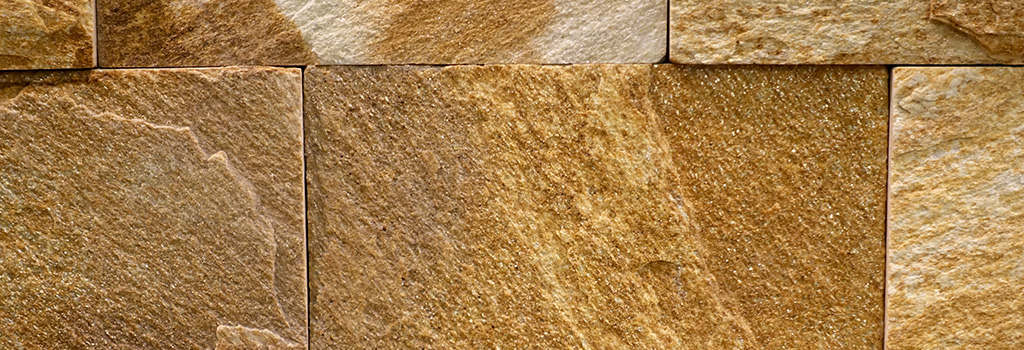
- Raw: A natural, cleft finish that is rustic and highly textured.
4. Size & Thickness Options & Their Impact:
Choosing the right tile size and thickness, you should consider a few aspects, like the room’s dimensions, design style, mechanical limitation like weight per sqm, and practical considerations like maintenance. Grout lines are another aspect should take in consider as it can impact cleaning and aesthetic. Shapes also are important.
- Tile Size: Tile size effects on overall aesthetic and feel of a space. Large format tiles create a modern look with fewer grout lines, making small rooms appear larger. Smaller tiles, like mosaics, mostly used for adding texture in bathrooms or on feature walls. For smaller rooms consider larger tiles to create the illusion of more space.
- Tile Shapes: Rectangular tiles offer design flexibility, while square tiles provide a classic, grid-like pattern.
- Thickness: The tile’s thickness directly impacts the weight and strength. Generally, exterior tiles (20-30mm) are thicker than interior tiles (10-20mm) to withstand weather and higher loads. High-traffic areas, like hallways or entryways, may need thicker tiles to withstand heavier loads and temperature fluctuations.
Common thickness recommendation:
Interior:
- Walls and Veneer: 10mm-20mm.
- Floors: 15mm-20mm.
- Countertops: 18mm-30mm.
Exterior:
- Paving and Driveways: 30mm-50mm
- Exterior Cladding/Veneer:20mm-30mm
Tolerances: Stone tiles should be inspected and checked dimensionally for tolerance. The tiles should be angled (Rectangular) with minimum tolerance in length, width and thickness. Acceptable size tolerance in Australia, Melbourne is as below table.